





How Arizona Classifies Drug Possession Felonies
Arizona drug possession classifications depend on the substance, the alleged conduct, and other case facts. A charge may involve a dangerous drug, narcotic drug, prescription drug, marijuana, or drug paraphernalia. As of 2026, attorney Arja Shah has defended more than 3,500 clients facing serious criminal charges. That experience helps our firm explain the legal process in clear and practical terms.
Shah Law Firm, PLLC provides individualized service because each accusation affects a person differently. We understand that a criminal charge can place work, family, and freedom at risk. Our attorneys examine the evidence, answer questions, and help each client make informed choices. This article explains how Arizona classifies possession charges under current Arizona law.
Quick Answers
Arizona generally classifies simple possession according to the drug involved. Possession of dangerous drugs and narcotic drugs is commonly charged as a class 4 felony, while unlawful possession of a prescription-only drug may be a class 1 misdemeanor.
- The prosecutor must prove knowing possession or use.
- Actual possession and constructive possession may support a charge.
- Personal possession differs from possession with intent to sell.
- Probation or drug treatment may be available in some cases.
- The legality of a search can affect whether evidence may be used.
Table of Contents
- How Do Arizona Drug Possession Classifications Work?
- What Is the Difference Between a Dangerous Drug, Narcotic Drug, and Prescription Drug?
- Which Felony Class Applies to an Arizona Drug Charge?
- How Do Sentencing, Probation, and Drug Treatment Work?
- What Defense Strategies May Apply to a Possession Charge?
- Frequently Asked Questions About Arizona Drug Possession Classifications
- How Shah Law Firm, PLLC Can Help with Arizona Drug Possession Classifications in Arizona
How Do Arizona Drug Possession Classifications Work?
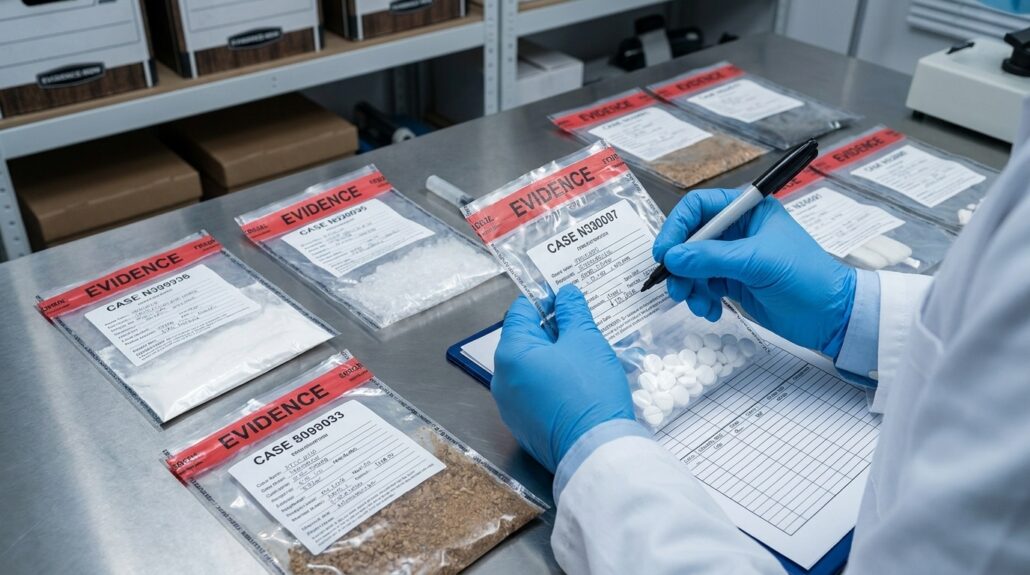
Arizona classifies a drug offense by looking first at the substance and alleged conduct. The amount, purpose, criminal history, and surrounding evidence may also affect the charge level.
A drug classification is not the same as a felony class. The first identifies the substance, while the second identifies the seriousness of the alleged crime.
A.R.S. § 13-3401 defines terms used throughout the Arizona Revised Statutes. These definitions include dangerous drug, narcotic drug, prescription-only drug, threshold amount, and possession. Reviewing the defined substance is an important first step in understanding drugs under Arizona law.
Drug possession is the knowing control of a prohibited substance. Actual possession means the substance was on the defendant’s person. Constructive possession means it was in a place under the defendant’s dominion or control, even if it was not in a pocket or hand.
However, being near a substance does not necessarily establish control.
In State v. Teagle, 217 Ariz. 17, 170 P.3d 266 (Ct. App. 2007), the court discussed constructive possession and the evidence needed to connect a defendant to contraband. This precedent can matter when several people had access to a car, home, bag, or room.
Arizona’s drug laws distinguish personal use or possession from possession or intent to sell. Evidence of sales may include packaging, communications, cash, quantity, or other circumstances. The prosecutor may pursue possession with intent or drug trafficking allegations when the evidence supports more than personal use.
The firm’s Better Business Bureau profile provides background about its Phoenix criminal defense practice. Arja Shah has also been selected to Super Lawyers since 2015, a recognition that supports her work handling contested criminal matters.
What Is the Difference Between a Dangerous Drug, Narcotic Drug, and Prescription Drug?
The difference comes from statutory definitions, not simply how dangerous a substance seems. Arizona law treats each category under a separate code section.
The type of drug can determine whether a possession charge begins as a felony or misdemeanor.
A dangerous drug may include methamphetamine, amphetamine, LSD, phencyclidine, certain hallucinogens, and other substances listed by statute. A.R.S. § 13-3407 covers possession of dangerous drugs and other conduct. Simple possession of a dangerous drug is generally a class 4 felony.
A narcotic may include substances that Arizona places within its statutory narcotic category. A.R.S. § 13-3408 addresses the possession, use, sale, manufacture, and transportation of narcotic drugs. A simple narcotic drug charge is generally filed as a class 4 felony.
Prescription drugs can involve a different charge. A.R.S. § 13-3406 generally prohibits knowingly possessing or using a prescription-only drug without a lawful prescription or order. Unlawful personal possession under that code section is generally a class 1 misdemeanor.
Statutory wording can be difficult to read. A provision may refer to a narcotic drug or prescription-only drug and then describe a drug or prescription-only drug except when authorized by law. Related language may include “prescription-only drug except as lawfully prescribed” or “drug except as lawfully administered.” The full statute and facts must be reviewed rather than relying on an isolated phrase.
Marijuana is treated under separate Arizona marijuana laws. Adult possession of marijuana may be lawful within limits, while conduct outside those limits could still lead to a charge. Marijuana possession also differs from possession of illegal drugs in another statutory category. The legal result depends on age, amount, conduct, and any claimed authorization.
Our team has represented clients accused of many forms of drug crime. The firm’s individualized approach starts by confirming the laboratory identification and the precise law in Arizona. Arja Shah’s Justia 10.0 rating reflects a concrete professional credential relevant to her criminal defense work.
Which Felony Class Applies to an Arizona Drug Charge?

The felony class usually depends on both the drug type and the conduct alleged. Simple use or possession is treated differently from sale, manufacture, or transportation. The quantity and a person’s record may also affect Arizona drug sentencing.
| Allegation | General Classification | Potential Penalty, Jail Time, and Fines |
|---|---|---|
| Personal possession of a dangerous drug | Generally a class 4 felony | Probation, treatment, jail, prison, assessments, or fines may be considered, depending on eligibility and history. |
| Personal possession of a narcotic drug | Generally a class 4 felony | Potential consequences depend on the facts, prior convictions, and available probation provisions. |
| Unauthorized possession of a prescription-only drug | Generally a class 1 misdemeanor | Possible consequences may include probation, jail, treatment requirements, and a fine. |
| Sale, manufacture, or transportation allegations | Often a more serious felony than simple possession | Prison exposure and other penalties may increase based on the statute and alleged quantity. |
This table provides a general reference, not a sentencing calculation. A class 4 felony drug accusation may have different consequences from a class 1 misdemeanor. Arizona’s general felony sentencing statute, A.R.S. § 13-702, addresses sentencing ranges, but the applicable range depends on several facts.
Under A.R.S. § 13-3407, a court may have limited authority to designate certain personal possession offenses as a class 1 misdemeanor. That option generally does not apply when the drug involved is methamphetamine. It is important to check the current statute because eligibility may be subject to interpretation and the case record.
The code treats conduct involving manufacture, sale, or transportation more severely than simple possession. Charges may also change when drugs involved in one offense cross a statutory threshold.
The threshold does not automatically prove a sale, but it may affect sentencing and the prosecutor’s theory.
Specific provisions may matter when the drug is flunitrazepam or when precursor chemicals and manufacturing equipment are alleged. A person found in possession of several items could face more than one criminal charge. Drug paraphernalia may also be charged under a separate statute.
The firm’s Lawful.com listing identifies its work in Phoenix, Arizona criminal defense. Arja Shah has also been named among The National Top 100 Trial Lawyers, a recognition relevant when a contested felony case may proceed toward trial.
How Do Sentencing, Probation, and Drug Treatment Work?
Sentencing depends on the conviction, criminal history, substance, and statutory eligibility. A first allegation does not by itself determine the result. In many cases, counsel must compare the charging statute with Arizona’s probation provisions.
A.R.S. § 13-901.01, associated with Proposition 200, addresses probation for certain personal possession or use offenses. An eligible person may be placed on probation and required to participate in drug treatment or education. A person may also be required to submit to drug testing administered as a condition of probation.
Eligibility has exceptions and can depend on prior convictions and the substance involved. Methamphetamine cases, violent crime history, and allegations beyond personal possession may be treated differently. Drug convictions also may affect employment, housing, professional licensing, immigration status, and firearm rights.
A misdemeanor can still carry serious practical effects. A felony may create broader limits and possible imprisonment. The judge considers the controlling statutes, aggravating or mitigating facts, and the parties’ positions before imposing a sentence.
Our firm approaches these cases by separating the immediate court problem from the client’s longer goals. We work to identify treatment records, employment history, family duties, or other lawful mitigation that may help counsel present the person accurately. Arja Shah received an Avvo Clients’ Choice Award and holds an Avvo 10.0 rating for criminal defense, reflecting recognition connected to client service.
The firm’s Nolo.com profile describes its criminal practice and attorney background. People comparing counsel for AZ drug cases may also consult the State Bar of Arizona public resources.
Key Sentencing Considerations
The filed class is only one part of a potential sentence. Counsel should also examine eligibility rules and the evidence supporting the alleged conduct.
- The exact substance and laboratory result
- Whether the accusation concerns personal use or sale
- Any prior felony or drug convictions
- Probation and treatment eligibility
- Aggravating and mitigating facts
What Defense Strategies May Apply to a Possession Charge?
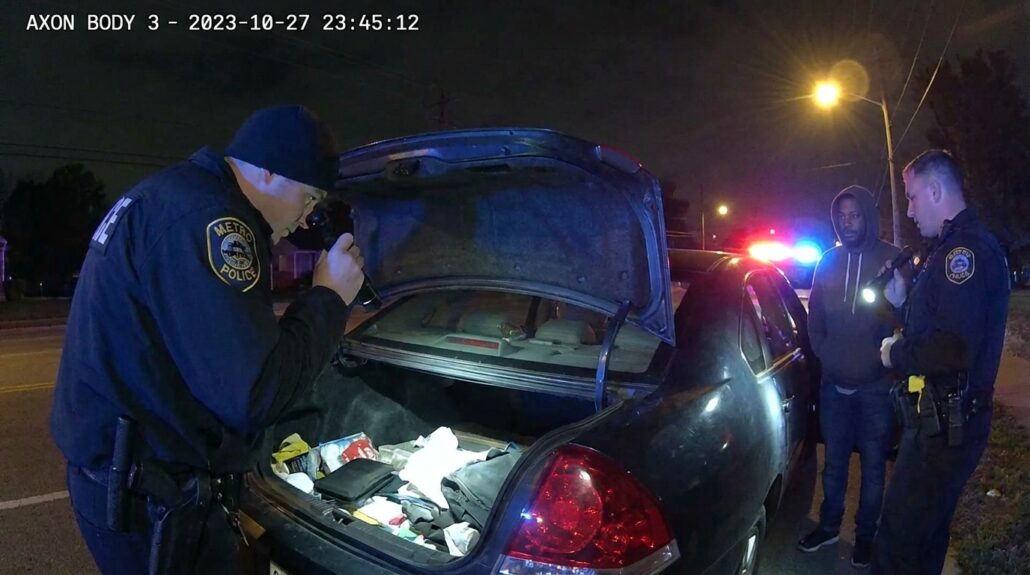
Possible defenses focus on possession, knowledge, identification, and police procedure. The right strategy depends on the evidence rather than the label placed on the case. A criminal defense attorney may find that one or several issues deserve investigation.
- Lack of knowledge: The defendant may not have known the substance was present.
- Lack of control: Another person may have owned or controlled the location.
- Lawful authority: A valid prescription could answer an allegation involving a prescription-only drug.
- Search issues: Police may have obtained evidence through an unlawful stop, search, or seizure.
- Testing issues: The laboratory result, handling, weight, or chain of custody may be disputed.
- Intent issues: Evidence may not support possession with intent, sale, or drug trafficking.
Due process requires the state to prove every element beyond a reasonable doubt.
During discovery, the defense obtains police reports, video, laboratory material, and other disclosed evidence. Counsel might file a motion to suppress if law enforcement violated constitutional search rules.
The prosecution must also prove that the tested substance matches the charged category. Dangerous drugs under Arizona law are not interchangeable with every controlled substance. A narcotic drug charge cannot be established merely by calling the item a narcotic without admissible proof.
Our attorneys have handled cases in which ownership, access, or knowledge was disputed. From our experience, early preservation of messages, prescriptions, photographs, and witness information can be important. A defense review should also distinguish use or possession from alleged distribution.
Shah Law Firm, PLLC defends drug charges as part of a broader practice that includes DUI domestic violence drug crimes and other criminal cases. Drug crimes defense requires close review of both the statute and police conduct. Arja Shah’s Platinum Client Champion Award from Martindale-Hubbell supports the firm’s focus on responsive, individualized representation.
A person facing a drug investigation should avoid discussing facts on social media. It is generally advisable to preserve paperwork and seek legal advice before consenting to an interview. The Arizona Judicial Branch criminal law resources provide general court information, but they do not replace advice from counsel.
Frequently Asked Questions About Arizona Drug Possession Classifications
1. What are the different classifications of drug possession offenses in Arizona?
Arizona generally separates dangerous drugs, narcotic drugs, prescription-only drugs, marijuana, and related substances. The type of drug charges filed may range from a misdemeanor to felony drug charges. Conduct involving sale, manufacture, or transportation is commonly more serious than personal possession or use.
2. What is the legal threshold for possessing drugs in Arizona?
There is no single lawful threshold for possession of every prohibited drug. Any knowing possession of an unauthorized substance could support a charge, while statutory threshold amounts may affect sentencing or sale allegations. The drug involved and the full facts control the analysis.
3. What are drug possession schedules 1 and 2?
Federal schedules categorize controlled substances, but Arizona drug possession charges in Arizona use state definitions and code sections. A federal schedule does not by itself identify the Arizona felony class. Counsel should compare the alleged substance with the Arizona Revised Statutes.
4. How bad is a class 6 felony in Arizona?
A class 6 felony remains a felony unless and until it receives another lawful designation. Potential outcomes depend on the offense, record, plea terms, and sentencing law. Not every drug possession charge is a class 6 felony, since possession of a dangerous drug or narcotic drug is generally charged as a class 4 felony.
5. Can a first-time offender avoid jail for drug possession?
It is possible for some eligible defendants to receive probation, education, diversion, or drug treatment instead of incarceration. Eligibility depends on the statute, prior record, substance, and whether the allegation concerns personal possession. Arizona law treats each case according to its facts and applicable exclusions.
6. Is possession of marijuana still illegal in Arizona?
Some adult marijuana possession is lawful within limits under current Arizona law. Conduct involving an underage person, an unauthorized amount, an unlawful location, or sale may still lead to legal consequences. Marijuana rules differ from the laws governing methamphetamine, narcotics, and other drugs in Arizona.
People with certain older marijuana cases may also want to learn about Arizona marijuana expungement under Proposition 207.
This article is for informational purposes only and is not legal advice. Reading it does not create an attorney-client relationship; consult an attorney about your specific situation because laws are subject to change.
How Shah Law Firm, PLLC Can Help with Arizona Drug Possession Classifications in Arizona
 If you are facing a dangerous drug, narcotic, or prescription possession charge in Arizona, Shah Law Firm, PLLC can review the exact accusation and evidence. In a first conversation, our team will identify the charged code section, discuss the known facts, and explain practical next steps. Attorney Arja Shah has defended more than 3,500 clients as of 2026, including people facing serious criminal allegations.
Call (602) 560-7408 or use the firm’s contact page to request a case review. Outcomes depend on the specific facts, evidence, and law that apply to each case.