






This article explains how police body cameras and dispatch recordings work in an ASU student DUI case, how they are obtained, and when they are admissible in court. We will compare the Arizona State University Police Department and Tempe Police practices at a high level, then walk through how a defense attorney reviews the files, challenges the officer’s testimony, and raises reasonable doubt. We will also cover under-21 issues and student conduct concerns that sit alongside criminal charges.
You will learn where the strongest proof often hides, how to identify any inconsistencies between what the arresting officer wrote and what the camera captured, and how an experienced Phoenix DUI team like Shah Law Firm uses video and audio to build a strong defense. If you or your child was arrested for DUI near ASU, you will leave with a clear plan of action.
Table of Contents
- Understanding What Counts as Evidence in a DUI Case for ASU Students
- ASU Police vs. Tempe Police: How Requests and Retention Can Differ
- What Body Camera Footage Shows in a DUI Investigation
- Dispatch Audio, 911 Calls, CAD Logs, and Radio Traffic
- Is Body Cam Footage Admissible in Court, Rules, and Realities
- How Video Evidence Interacts with Arizona DUI Laws and Penalties
- Defense Strategies That Use Camera and Audio to Create Reasonable Doubt
- Real Arizona Examples, Under 21 Scenarios Near Campus
- FAQs About Body Cameras, Dispatch Audio, and ASU Student DUIs
- Penalties and Key Arizona Statutes for ASU Student DUIs
- Important Things to Remember
- How Shah Law Firm Can Help ASU Students and Families
Understanding What Counts as Evidence in a DUI Case for ASU Students
In an ASU student DUI case, the core evidence set usually includes body camera footage, dash camera footage (if installed), breath or blood test results, field sobriety test videos, police reports, and any dispatch communications. Arizona Rules of Evidence 401 and 403 control what is relevant and what may be excluded if it confuses the issues or wastes time. Rule 801 and its exceptions address hearsay concerns, which come up with radio or 911 recordings.
Under ARS 28-1381, driving under the influence covers impairment to the slightest degree or a prohibited alcohol concentration within two hours of driving, which can be supported by footage in DUI scenarios. ARS 28-1382 addresses High BAC and Extreme BAC levels, and ARS 28-1383 covers Aggravated DUI, often supported by footage in DUI cases. For students under 21, ARS 4-244(34) is the zero-tolerance rule, which can apply even if the person does not feel impaired. These statutes shape what the prosecutor must prove and what the camera can help disprove.
Law enforcement officers often rely on standardized field sobriety test instructions, the timing of observations, and the driver’s statements, which may be captured in relevant footage. Cameras can capture slurs or the lack of them, balance, coordination, and the exact tone and pace of the encounter. If the video shows the officer giving confusing instructions or cutting off answers, that can call into question the reliability of the claimed signs of impairment.
Finally, disclosure rules matter. Under Arizona Rule of Criminal Procedure 15, the state must disclose material within its possession or control. That includes the police body cam footage, CAD logs, and audio. If an item was used as evidence or should have been, your defense lawyer can push to obtain it and seek remedies if it is missing or late.
ASU Police vs. Tempe Police: How Requests and Retention Can Differ
On and around campus, a stop may involve ASU Police or Tempe units, and sometimes both. These are separate law enforcement agencies with different records systems, which can complicate access to evidence in DUI cases. That means separate requests for body cam footage, dash recordings, radio traffic, and CAD entries. The goal is a complete account of the events from every involved unit, especially if one camera angle missed a key moment.
ASU Police typically handle stops on university property, residence halls, and core campus roads. Tempe officers cover city streets, Mill Avenue, and the surrounding neighborhoods. When both respond, you want each department to use police body-worn cameras. That includes any supervisor’s clip, transport car video, and station entry cameras. A thorough request reduces gaps.
Retention and access can vary by police departments. Some systems retain unflagged videos for shorter periods unless a case number is attached. Others auto-preserve on arrest, ensuring that bodycam footage is available for review in DUI cases. Because deadlines can be tight, a skilled DUI defense attorney will send preservation letters early, then follow with formal discovery requests and subpoenas when needed. Doing this quickly protects you if the footage might otherwise be deleted from a server.
The practical takeaway for ASU families is simple. Confirm which law enforcement agency led the stop and which assisted, then request from each. One agency may hold body cam footage while the other has the best radio clip. Missing one can leave you with a partial record that favors the state.
What Body Camera Footage Shows in a DUI Investigation
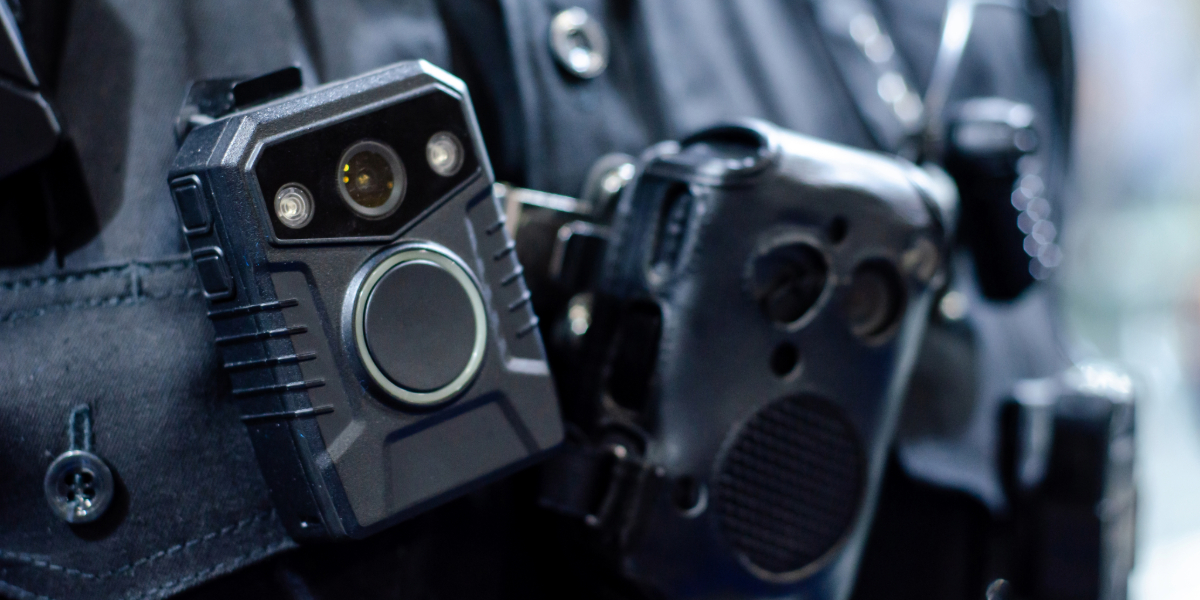
Modern police body cameras are small, forward-facing devices that record video and audio of the stop. They capture the initial traffic stop, the roadside questions, and the field tests. They also record the handcuffing and transport. In many student cases, this is the most objective evidence available because it shows tone, timing, and exact words rather than only memory.
Body camera footage can reveal whether the officer gave clear instructions, whether the officer repeated the same question after the driver gave a complete answer, and whether the driver asked for a lawyer. It can also indicate whether the driver’s shoes were unsuitable for balance tests or whether wind or traffic affected performance. These details go straight to probable cause and reasonable suspicion.
Video quality and angle matter. If the device was in buffering mode or pointed away during a key step, the defense can argue that there is no objective evidence, particularly in a DUI case involving footage. When a second officer arrived, interactions between officers could indicate coaching or disagreement about what they saw. That context is often missing from the police report, yet appears on camera.
When the state claims clear signs of impairment, the footage can be used to challenge the prosecution’s version. If you appear steady, answer quickly, and comply without delay, the video may contradict the written narrative. That is precisely how camera footage in a DUI can narrow the issues and support a strong defense.
Dispatch Audio, 911 Calls, CAD Logs, and Radio Traffic
Dispatch audio rounds out the story. Radio clips show the timeline from the first call to the stop, including location updates and unit tasking. CAD logs list precise times for each event, which is crucial when the two-hour BAC rule under ARS 28-1381(A)(2) is in play. 911 calls can help confirm why the officer was looking for a vehicle and whether the description matched.
This material is often used to challenge whether the officer had a lawful reason to stop the car. Suppose the radio traffic suggests the stop occurred without reasonable suspicion. In that case, it becomes a significant motion to suppress; similarly, if the alleged driving errors do not appear on the recordings, it erodes the claimed signs of impairment.
Remember that the law allows redactions of sensitive information, but the underlying audio remains discoverable. Your defense attorney can ask the court to review disputed portions in camera if there is a disagreement over what must be disclosed. The goal is to present the exact timeline to the judge and jury, particularly using bodycam footage to clarify events.
Finally, do not forget station recordings. Some departments record video and audio at the station, including breath and sobriety testing rooms. Those clips can confirm waiting periods, observation times, and whether the officer followed the correct checklist.
Is Body Cam Footage Admissible in Court, Rules, and Realities
Most camera recordings are admissible if they are relevant, authentic, and not barred by a rule of exclusion. The admissibility question often turns on the foundation. A witness with knowledge, usually the officer or the records custodian, explains how the system works and that the file is what it claims to be. Courts look for a clean chain of custody for all evidence in DUI cases, including video footage.
Arizona courts also weigh whether portions should be limited if they contain hearsay or unfair prejudice, particularly in criminal defense cases involving video footage. The admissibility of the footage can be narrowed by redacting unrelated segments or muting privileged remarks. The judge may allow the jury to see key clips but not everything from start to finish when only a sliver is in dispute.
If the state fails to preserve or disclose recordings, remedies range from a continuance to sanctions. In some situations, the absence of a required recording can support a jury instruction that allows the defense to argue the missing file would have been favorable. There is no automatic dismissal, but the issue can influence negotiations and trial rulings.
The upshot is to make a timely, specific request and follow up. If the file exists, you want it, especially if it contains police body camera footage related to a DUI arrest. If it does not, you want proof of the retention policy and an explanation for why it has been removed. That information can be used to challenge the officer’s account of the events and strengthen your defense strategy.
How Video Evidence Interacts with Arizona DUI Laws and Penalties
Arizona DUI penalties depend on the charge level, prior record, and facts captured on video. For a standard first offense under ARS 28-1381, mandatory jail, fines, and an ignition interlock apply, with higher penalties for High or Extreme BAC under ARS 28-1382. Felony Aggravated DUI under ARS 28-1383 carries prison exposure in severe circumstances. For under-21 drivers, ARS 4-244(34) adds a separate offense for any alcohol in the body while driving, which can affect student status and licensing, especially if charged with DUI.
Cameras can influence both guilt and sentencing, particularly when they provide crucial evidence in DUI cases. For example, respectful conduct and quick compliance can help during a plea deal, while rough language or resistance may hurt. More critically, the timing of the video directly ties to the two-hour BAC window, which can affect whether the test was taken within the required period.
Implied consent under ARS 28-1321 also interacts with recordings. If you request an independent test and the officer fails to allow it, or if the waiting period before a breath test was not observed, the video can help prove the violation. Those facts can lead to suppression or a better resolution.
Finally, university discipline can track the criminal case, especially if there is video footage of the incident. While student conduct boards use different standards, the same recordings often appear in both settings. Keeping copies and securing preservation orders protects your interests on campus and in court, particularly in drunk-driving cases.
Defense Strategies That Use Camera and Audio to Create Reasonable Doubt
- Lack of reasonable suspicion for the stop: If radio traffic and body cam do not support the claimed reason for the initial traffic stop, the defense moves to suppress all that follows. Without a valid stop, the case may fall apart.
- Failure to follow standardized testing: Field sobriety test instructions must be clear and consistent. If the recording shows interruptions, poor lighting, unsuitable footwear, or uneven ground, that can reduce the weight of the results.
- Miranda and request for counsel: If the video shows you asked for a lawyer and questioning continued, statements may be suppressed. Words on tape carry more weight than memory.
- Timing issues and the two-hour rule: CAD timestamps and cam footage establish the exact timeline. If the breath or blood sample falls outside the 2-hour window, or if the observation period is not honored, that can lead to suppression or reduced charges.
- Chain of custody and file integrity: Suppose metadata, audit logs, or custodian testimony reveal breaks in the chain of custody or unexplained edits. In that case, portions of the file may be excluded, leading to dismissal.
- Medical and environmental explanations: Cameras can show allergies, injuries, or fatigue that mimic intoxication. Where needed, expert witnesses can tie what the camera shows to non alcohol explanations.
- Cross-examination anchored in video: When a report conflicts with the recording, your lawyer can play the clip and challenge the officer’s credibility. This is often used to challenge the officer’s claim of slur, staggering, or repeated noncompliance.
Arja Shah and the team at Shah Law Firm use these tools every day in Phoenix DUI defense. By aligning motions and cross with what the cameras show, we can create reasonable doubt and improve outcomes.
Real Arizona Examples, Under 21 Scenarios Near Campus
Example 1: Mill Avenue weekend stop. A student leaves a restaurant and is pulled over by law enforcement officers for drifting within a lane. The officer claims a strong odor and poor balance. Body cam shows the wind gusting, instructions cut off twice, and shoes with broken heels. Dispatch audio shows the stop was made after a vague call with no plate number. The judge suppresses the field tests due to poor conditions and finds the stop lacked specific facts. The case resolves with a non-DUI count.
Example 2: Residence hall entrance. ASU Police stop a vehicle for failing to stop at a campus sign. The driver is 20. The body camera shows polite answers, no slurs, and good balance. The breath test later reads a minimal alcohol level. Because ARS 4-244(34) is a zero-tolerance rule, the prosecutor files the underage count but agrees to a diversion after the defense highlights the clean video footage and the defendant’s prompt compliance. The student avoids a conviction, especially when video footage supports their defense against DUI charges.
These examples show how footage in a DUI can shift both probable cause and outcome. The key is fast preservation, careful review, and a defense strategy that uses what the camera actually captured.
FAQs About Body Cameras, Dispatch Audio, and ASU Student DUIs
Are police body cameras always on during a DUI investigation?
Often, they buffer and record only after activation. If a key moment is missing, your lawyer can question why and ask the court to consider the gap when weighing evidence in court.
Can I get the recordings myself?
They are usually produced to defense counsel through discovery. You can also request public records, but criminal discovery is faster and more complete during a pending DUI case.
What if the file looks edited?
Your attorney can demand the native file and audit trail, then question the custodian. Issues with the chain of custody can affect whether portions are admissible.
Will the jury hear everything on the tapes?
Judges may limit clips to what is relevant. The footage admissible in court depends on the rules of evidence, redactions, and foundation.
Do ASU Police and Tempe Police keep video in the same way?
Not always. They are different police departments with distinct systems. Ask for records from both to avoid gaps.
What if I am under 21 and my BAC is low?
Zero tolerance under ARS 4-244(34) still applies, but video can support negotiations, demonstrate safe driving, reduce penalties, or support diversion.
Penalties and Key Arizona Statutes for ASU Student DUIs
Below is a quick visual guide to common Arizona DUI categories, with notes on how recordings can affect outcomes. This table supplements, but does not replace, the complete legal analysis above, especially when considering the use of police footage.
| Charge | Statute | Typical Penalties | How Camera and Audio Help |
| Standard DUI, Impaired to the Slightest Degree | ARS 28-1381(A)(1) | Jail, fines, classes, interlock, license issues | Shows instructions, compliance, and conditions during field tests to rebut impairment claims. |
| Per Se DUI, BAC at or above .08 within two hours | ARS 28-1381(A)(2) | Similar to above, with BAC proof central | Establishes exact timing for the two hour rule using CAD logs and timestamped video. |
| High or Extreme BAC | ARS 28-1382 | Higher mandatory jail, greater fines, longer interlock | Confirms observation periods and breath testing steps, challenges procedural errors. |
| Aggravated DUI | ARS 28-1383 | Felony, potential prison, extended license impact | Documents stop legality and compliance to support suppression motions. |
| Under 21 DUI, any alcohol while driving | ARS 4-244(34) | License consequences, classes, potential diversion | Highlights polite conduct, safe driving, and minimal alcohol evidence to improve resolution. |
| Implied Consent, test refusal or issues | ARS 28-1321 | Admin license suspension, hearing options | Confirms if independent test was offered and if observation periods were followed. |
Important Things to Remember
- Ask your lawyer to demand body camera footage, dash camera footage, dispatch audio, CAD logs, station recordings, and any 911 calls.
- Move fast on preservation. Some systems overwrite unflagged files, making it crucial to secure evidence in DUI cases before it’s lost.
- Compare every report claim to the recording to identify any inconsistencies.
- Use timestamps to test the two-hour rule and observation periods.
- If something critical is missing, your criminal defense attorney can seek sanctions or an instruction to the jury regarding the missing police body camera footage.
- Under 21 cases have unique rules, but video can still help you achieve better results.
How Shah Law Firm Can Help ASU Students and Families

When a DUI arrest involves an ASU student, the most important evidence is often not the police report—it is what the cameras and audio recordings actually show. Body camera footage, dispatch audio, CAD logs, and station recordings can expose gaps between what an officer claims and what truly happened. Knowing how to find, preserve, and use that evidence is critical.
Arja Shah has defended thousands of DUI cases in Tempe and across the Phoenix area and understands how ASU Police and Tempe Police document stops differently. Our team knows which recordings exist, how long they are kept, and how to demand preservation before key footage is lost. We carefully align timestamps, challenge inconsistencies, and use video and audio to attack probable cause, field sobriety testing, and DUI procedures.
We also represent ASU students facing under-21 DUI charges, implied consent issues, and related student conduct proceedings. Whether the goal is dismissal, charge reduction, diversion, or trial, we build the defense around objective evidence—not assumptions or memory.
If you or your child was arrested for DUI near ASU, do not assume the video helps the prosecution. In many cases, it does the opposite.
Contact Shah Law Firm today for a free consultation or call us at (602) 560-7408 to speak directly with an experienced Phoenix DUI attorney who knows how to use body camera and dispatch evidence to protect your future.


