





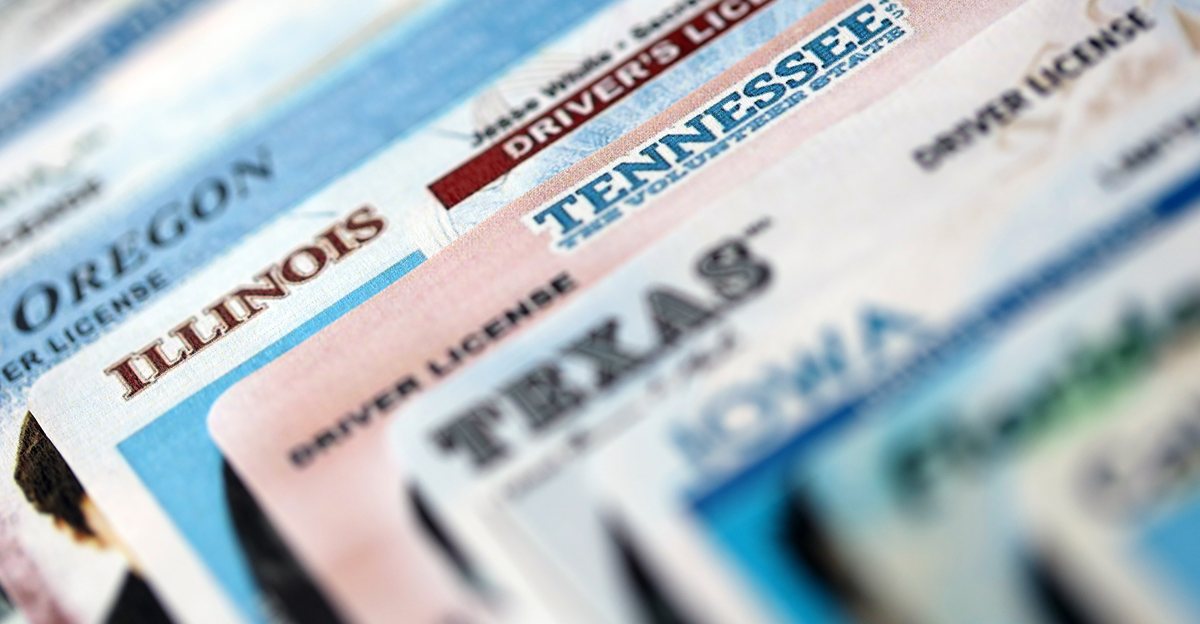
A first time DUI is stressful under any circumstances. That stress often increases when it occurs in Arizona, especially if another state issued your driver’s license. Many people worry about whether Arizona can suspend their license, what happens when they return home, and whether a first offense DUI out of state carries harsher consequences. These are common and valid concerns.
An out-of-state DUI involves more than just one court system. Arizona will handle the DUI charge based on its own DUI laws, but your home state may also take action against your driving privileges. This means you could face consequences in the state where you were arrested and administrative consequences back home, even if you do not live in Arizona.
This article explains what happens if you get a DUI in another state, specifically Arizona, when you hold an out-of-state license. You will learn how Arizona handles first-time DUI cases, how the interstate driver’s license compact works, and why having a DUI defense attorney matters. Knowing what to expect can help you make informed decisions and protect your rights.
- First Offense DUI When Your Driver’s License Is From Another State
- How Arizona DUI Laws Apply to Out-of-State Drivers
- The Driver License Compact and Interstate Reporting
- Will Arizona Suspend an Out-of-State License
- How Your Home State May Respond to an Out-of-State DUI
- Real-World Example of a First-Time Out-of-State DUI
- Penalties for a First-Time DUI in Arizona
- Defense Options for Out-of-State DUI Charges
- Why Hiring a DUI Defense Lawyer Matters
- Essential Things to Remember About Out-of-State DUI Cases
- How Shah Law Firm Can Help With an Out-of-State DUI
First Offense DUI When Your Driver’s License Is From Another State
If you are arrested for DUI in Arizona and another state issued your driver’s license, Arizona still has full authority to charge you with a DUI offense. The applicable DUI laws are the same as those Arizona residents face. Your residency status does not affect the seriousness of the DUI charge.
Arizona treats DUI as a criminal offense under Arizona Revised Statutes section 28-1381. This statute covers driving or being in actual physical control of a motor vehicle while impaired by alcohol or drugs, or with a blood alcohol concentration of 0.08 or higher. If you are charged with a DUI, Arizona courts will process the case regardless of where you live.
The arresting state will likely impose its own penalties if you are convicted of a DUI. These consequences can include jail time, fines, DUI education, and alcohol screening. Even as an out-of-state driver, you must comply with all court orders issued in Arizona.
Many people assume they can leave Arizona and deal with the issue later. That is a serious mistake. Failing to appear in court or ignoring an Arizona DUI case can lead to a warrant, additional criminal charges, and long-term problems with your license.

How Arizona DUI Laws Apply to Out-of-State Drivers
Arizona DUI laws apply equally to residents and non-residents. The state does not create a separate set of rules for an out-of-state driver.
If you were driving under the influence in Arizona, you would be subject to Arizona law.
For a first-time DUI, penalties may include jail time, fines, probation, and alcohol-related treatment. Even though this is considered a first offense, Arizona has some of the strictest DUI laws in the country. A first-time DUI can still involve mandatory jail, even if the court later suspends part of that sentence.
Arizona also has an implied consent law under ARS 28-1321. If you’re caught driving and refuse a breath, blood, or urine test, Arizona can impose an automatic license suspension. This applies even if your license was issued elsewhere.
The DUI charge itself remains a criminal matter handled by the Arizona court. That criminal case is separate from any administrative action taken against your license, either by Arizona or your home state.
The Driver License Compact and Interstate Reporting
One of the most essential concepts in an out-of-state DUI case is the Driver’s License Compact. Arizona is a member of the Interstate Driver’s License Compact, along with 45 other states. This agreement allows states to share information about traffic offenses, including DUI.
Under the Driver’s License Compact, Arizona may report your DUI arrest or conviction to the state that issued your driver’s license.
This means your home state will likely learn about the DUI, even if it happened hundreds of miles away.
Once the DUI is reported, your home state may impose its own penalties. These penalties often include license suspension, points on your record, or mandatory DUI education. Each member state has its own rules, so consequences can vary.
This interstate system prevents drivers from avoiding DUI consequences simply by crossing state lines. A DUI out of state does not stay in one state. It can follow you home and affect your license back home.
Will Arizona Suspend an Out-of-State License
Arizona cannot physically take away a driver’s license issued by another state.
However, Arizona can suspend your driving privileges within the state.
This means you may be legally barred from driving in Arizona for a specific period.
For example, if you are arrested for DUI and fail or refuse a chemical test, Arizona may suspend your driving privileges. If you are caught driving during that suspension, you could face additional criminal penalties.
More importantly, Arizona can report the suspension or conviction to your home state.
Your home state may then suspend your license entirely, not just in Arizona.
This is why many people experience a license suspension at home even though the DUI occurred elsewhere. The state that issued your driver’s license ultimately controls whether you can legally drive nationwide.
How Your Home State May Respond to an Out-of-State DUI
Your home state may treat an out-of-state DUI conviction as if it occurred within the state. Many states impose penalties under their own laws upon receiving notice through the license compact.
For a first offense DUI, your home state may suspend your license, require alcohol education, or impose conditions for reinstatement. Some states require proof that you completed all Arizona court requirements before restoring your license.
In some situations, the home state may impose harsher administrative penalties than Arizona. This is why it is critical to understand both states’ rules and how they interact.
An out-of-state DUI conviction can also affect insurance rates, employment, and future background checks. Even though it happened in Arizona, it becomes part of your overall driving and criminal history.
Real-World Example of a First-Time Out-of-State DUI
Consider a driver from Colorado visiting Scottsdale for a work conference. After dinner, they are stopped by the police and arrested for DUI. This is their first DUI offense, and they have never had legal trouble before.
Arizona charges them with a DUI under ARS 28-1381. The court orders fines, alcohol screening, and probation. Arizona also suspends driving privileges for a failed breath test.
After the case is resolved, Arizona reports the DUI conviction to Colorado under the Interstate Driver’s License Compact. Colorado then suspends the driver’s license and requires DUI education before reinstatement. Even though the offense occurred in Arizona, the consequences follow the driver home.
Penalties for a First-Time DUI in Arizona
A first-time DUI in Arizona carries severe penalties, even without aggravating factors. These penalties apply to all drivers, including those with an out-of-state license.
Under Arizona law, penalties may include jail time, fines, probation, and mandatory alcohol education. The court may also order the installation of an ignition interlock device if required by law.
Having an experienced DUI defense attorney can sometimes reduce penalties or help avoid a DUI conviction altogether. In some cases, charges may be reduced or dismissed based on legal or factual issues.
Below is an overview of common penalties for a first-time DUI in Arizona:
| Penalty | Details | Relevant Statute |
| Jail Time | Minimum of 10 days, with possible suspension of 9 days after sentencing | ARS 28-1381 |
| Fines and Fees | Over $1,250 in fines, surcharges, and assessments | ARS 28-1381 |
| License Suspension | 90-day suspension or restriction, reported to home state | ARS 28-1385 |
| Probation | Up to 5 years of supervised probation | ARS 13-902 |
| Penalty | Details | Relevant Statute |
| Jail Time | Minimum of 10 days, with possible suspension of 9 days after sentencing | ARS 28-1381 |
| Fines and Fees | Over $1,250 in fines, surcharges, and assessments | ARS 28-1381 |
| License Suspension | 90-day suspension or restriction, reported to home state | ARS 28-1385 |
| Probation | Up to 5 years of supervised probation | ARS 13-902 |
Defense Options for Out-of-State DUI Charges
Just because you were arrested for DUI does not mean you will be convicted. DUI cases often involve technical evidence, police procedures, and constitutional rights. A strong defense can make a significant difference.
Common DUI defense strategies include challenging the legality of the traffic stop, questioning the accuracy of breath or blood testing, and examining whether officers followed proper procedures. In some cases, evidence may be suppressed if your rights were violated.
Out-of-state drivers sometimes face additional challenges because travel makes court appearances more difficult. A defense lawyer can often appear on your behalf for certain hearings and help minimize disruptions to your life.
Fighting a DUI charge is especially important for out-of-state drivers because the consequences extend beyond Arizona. A reduced charge or dismissal can help protect your license back home.
Why Hiring a DUI Defense Lawyer Matters
An experienced DUI attorney understands both Arizona DUI laws and how out-of-state cases are handled. This knowledge is critical when your driving privileges in multiple states are at risk.
At Shah Law Firm, attorney Arja Shah has extensive experience handling DUI cases involving out-of-state drivers. She understands how Arizona courts operate and how DUI cases are reported to other states.
A skilled criminal defense attorney can negotiate with prosecutors, challenge weak evidence, and work toward the best possible outcome. In some cases, early legal intervention can prevent unnecessary license suspension or reduce penalties.
If you are facing a DUI charge in Arizona with an out-of-state license, having professional representation can help protect your rights and your future.
Essential Things to Remember About Out-of-State DUI Cases
- Arizona drunk driving laws apply to all drivers, regardless of where the license was issued
- A first-time DUI is still a criminal offense in Arizona
- Arizona can suspend driving privileges within the state
- The driver license compact allows states to share DUI information
- Your home state may suspend your license after an Arizona DUI conviction
- Ignoring an Arizona DUI case can lead to warrants and added penalties
- A strong DUI defense can reduce or avoid long-term consequences
How Shah Law Firm Can Help With an Out-of-State DUI
 Facing a DUI in another state can feel overwhelming, especially when you are worried about your license and your record back home. Shah Law Firm understands these concerns and takes a hands-on approach to every DUI case.
Attorney Arja Shah has nearly 20 years of experience and over 3,000 successful case victories. She has handled countless DUI cases in Phoenix and throughout Maricopa County, including those involving out-of-state drivers.
Shah Law Firm focuses on clear communication, honest advice, and strong legal advocacy. Whether you were arrested in Scottsdale, Tempe, Mesa, or elsewhere in Arizona, the firm works to protect your rights and limit the impact on your life.
If you were arrested for a first offense DUI in Arizona with an out-of-state license, do not wait to get help. Call Shah Law Firm at (602) 560-7408 or visit https://arjashahlaw.com to schedule a free, one-on-one consultation and discuss your DUI defense options.
schedule a confidential case review.

