





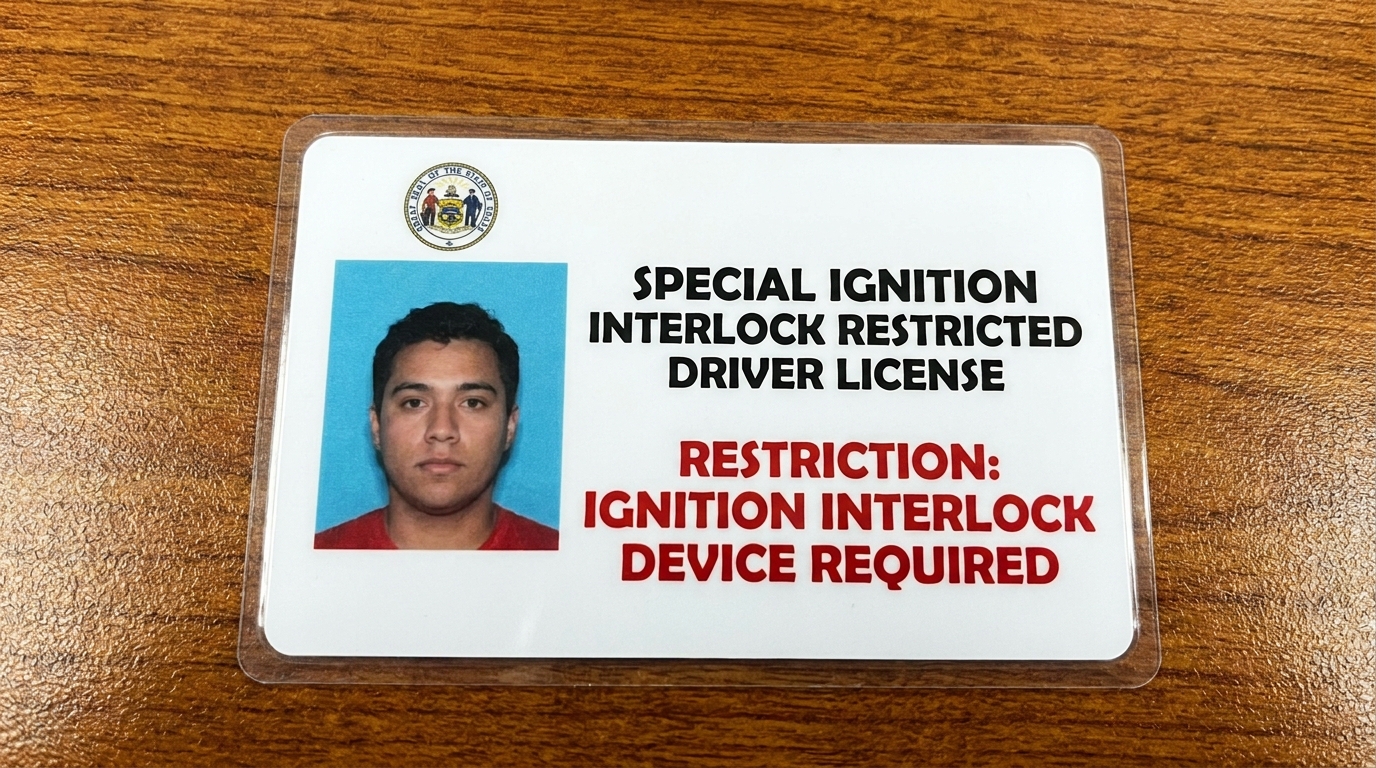
Losing the ability to drive after an Arizona DUI arrest can create an immediate problem. You may still need to get to work in Phoenix, drive from Chandler to an office in Scottsdale, take children to school, attend court, or get to required alcohol screening. An arrest does not stop those responsibilities. Arizona law provides several forms of restricted driving privileges, including a Special Ignition Interlock Restricted Driver License, commonly called a SIIRDL.
A SIIRDL is different from the traditional restricted permit many people associate with driving only to work. Arizona Department of Transportation guidance currently states that a person with a SIIRDL may drive anywhere in Arizona, provided the vehicle being operated has a functioning certified ignition interlock device and the driver complies with all applicable restrictions. A traditional DUI restricted permit is much narrower and generally limits driving to approved purposes such as employment, school, or treatment.
Getting back on the road can involve the Arizona Motor Vehicle Division, an administrative license suspension, alcohol or drug screening, an ignition interlock device, proof of financial responsibility in some cases, and deadlines you should not ignore. Another important legal issue many drivers miss is that accepting a SIIRDL can waive the right to challenge the administrative license action at an MVD hearing. A DUI attorney can review the suspension paperwork before that decision is made.
Table of Contents
- How a Special Ignition Interlock Restricted Driver License Works
- SIIRDL vs. a Work Restricted Permit in Arizona
- Who May Be Eligible for a SIIRDL After an Arizona DUI
- How to Apply for a SIIRDL Through Arizona MVD
- Certified Ignition Interlock Device Requirements
- How DUI Suspensions, Refusals, and Convictions Affect Eligibility
- Penalties for Violating SIIRDL and Interlock Requirements
- DUI Defense Strategies That May Protect Your License and Criminal Case
- Arizona Examples of Restricted Driving After a DUI Arrest
- FAQs About SIIRDLs and Applying for a Restricted License After a DUI
- Important Things to Remember
- How Shah Law Firm Can Help
How a Special Ignition Interlock Restricted Driver License Works
A Special Ignition Interlock Restricted Driver License allows certain Arizona drivers to regain limited driving privileges while a DUI-related suspension or revocation is still active. ARS 28-1401 establishes the statutory framework for applying, while ARS 28-1402 states that an eligible driver with a Class D or Class G license may operate only a motor vehicle equipped with a functioning certified ignition interlock device.
In plain English, the restriction is largely tied to the vehicle rather than a narrow list of destinations. ADOT currently describes a SIIRDL as allowing a person to drive anywhere in Arizona as long as a certified ignition interlock device is installed and proof of completion of treatment programs is submitted. That can make a major difference for someone whose employment requires more than a simple commute between home and a single workplace.
For example, a Phoenix salesperson may need to leave home, visit an office in Tempe, attend a client meeting in Mesa, and return to Phoenix later that evening. A traditional work-restricted permit may create questions about whether each trip falls within the authorized locations. A SIIRDL may provide substantially broader driving privileges, provided every vehicle the person operates is properly equipped, and all MVD requirements are satisfied.
A SIIRDL does not erase the suspension or revocation from the driver’s record. ARS 28-1401 specifically provides that issuance does not remove the underlying action. The restricted license simply allows qualified drivers to operate an interlock-equipped vehicle during the applicable suspension or revocation period.
SIIRDL vs. a Work Restricted Permit in Arizona
People often use the phrases “restricted license” and “work permit” as though they mean the same thing. Arizona actually has different forms of restricted driving privileges. ADOT identifies a SIIRDL and a Restricted Permit as separate forms of authorization, with very different limits.
A SIIRDL generally permits driving anywhere in Arizona in a vehicle equipped with a certified ignition interlock device. By comparison, ADOT states that a DUI Restricted Permit is available after a qualifying driver serves at least 30 days of suspension and generally permits driving to or from work, while working, to or from school, and to or from an Arizona treatment center. A DUI Restricted Permit does not require installation of an ignition interlock device.
ARS 28-144 also identifies several purposes for which Arizona law may restrict driving privileges. Depending on the legal basis for a particular restriction, authorized trips can include employment, school, appointments with certain health professionals, alcohol screening or treatment, probation appointments, ignition interlock service appointments, parenting time locations, and transportation of a dependent person for certain purposes. The terms printed on the actual restricted permit control, so drivers should not assume every destination listed in ARS 28-144 automatically applies to their permit.
For someone primarily worried about keeping a job, the difference matters. A person who works at one location from 8 a.m. to 5 p.m. may be able to function with a traditional permit. Someone who travels between job sites in Phoenix, Scottsdale, Mesa, Glendale, and Tempe may find a SIIRDL far more practical, if they qualify.
Who May Be Eligible for a SIIRDL After an Arizona DUI
Eligibility depends on the specific MVD action and Arizona statute involved, not simply whether someone was arrested for DUI. ARS 28-1401 permits applications in several categories, including certain suspensions under ARS 28-1385, certain chemical test refusals under ARS 28-1321, qualifying repeat DUI convictions under ARS 28-1381 or ARS 28-1382, and a qualifying aggravated DUI involving a child passenger under ARS 28-1383(A)(3).
For an administrative suspension under ARS 28-1385, the statute provides an important route to restricted driving. A qualifying driver generally must not have caused death or serious physical injury, must meet the statute’s requirements regarding DUI convictions within the previous 84 months, and must provide satisfactory evidence of completing required alcohol or drug screening. Under subsection J, MVD must issue a SIIRDL in place of the suspension structure described in subsection I when those requirements are met and the driver requests it.
Chemical test refusals are governed by ARS 28-1321. An initial refusal can trigger a 12-month suspension, while a second or later refusal within 84 months can result in a two-year suspension. Subsection P allows a person suspended under this statute to apply for a SIIRDL after completing any alcohol or drug screening ordered by MVD. That provision does not apply to a second or later refusal within the 84-month period, which may result in a suspension.
The type of substance involved can also affect eligibility. ARS 28-1401 generally applies where the qualifying offense involved alcohol, or where an alcohol concentration of at least 0.08 was present in a combination alcohol and drug case. A drugs-only DUI may present a different licensing situation. Drivers should verify eligibility directly through MVD rather than assuming that every DUI suspension qualifies.
How to Apply for a SIIRDL Through Arizona MVD
The safest starting point is to check the driver’s record and MVD eligibility before paying for an ignition interlock installation. ADOT says qualified drivers may receive an eligibility notice and can also check their AZ MVD Now account. Common requirements include having no other outstanding withdrawal actions, completing required alcohol programs, arranging a certified ignition interlock, satisfying financial responsibility requirements when applicable, and paying the required fees.
A practical application process generally looks like this: submit proof of completion and apply for a restricted license.
- Review the DUI suspension or revocation notice and determine which Arizona statute created the license action.
- Check AZ MVD Now or contact MVD to confirm SIIRDL eligibility.
- Speak with a DUI attorney before accepting the SIIRDL if an administrative hearing is still available.
- Complete any required alcohol or drug screening, education, or treatment.
- Arrange installation of a certified ignition interlock device through an MVD-authorized provider.
- Submit proof of future financial responsibility, commonly called an SR 22, if required for the particular license action.
- Make sure the interlock provider electronically reports installation to MVD.
- Pay applicable MVD fees and have the SIIRDL issued through an MVD or authorized third-party office when permitted.
There is an important timing issue in current ADOT materials. ADOT’s current restricted license webpage says the ignition interlock should be installed within 90 days before SIIRDL issuance. However, the agency’s March 2026 SIIRDL pamphlet says the installation must be received electronically by MVD and must occur within 30 days of SIIRDL issuance. Because those two current ADOT materials use different time periods, drivers should confirm the installation window shown in their MVD record or eligibility notice before paying an installer.
The same caution applies to SR 22 insurance. ADOT’s general SIIRDL webpage lists proof of future financial responsibility as a common requirement. Its March 2026 pamphlet states that an SR 22 is not required when the SIIRDL relates to an admin per se suspension. Arizona statutes also treat financial responsibility differently depending on the particular suspension or revocation involved. Check a person’s MVD record to determine what must be filed.
Certified Ignition Interlock Device Requirements
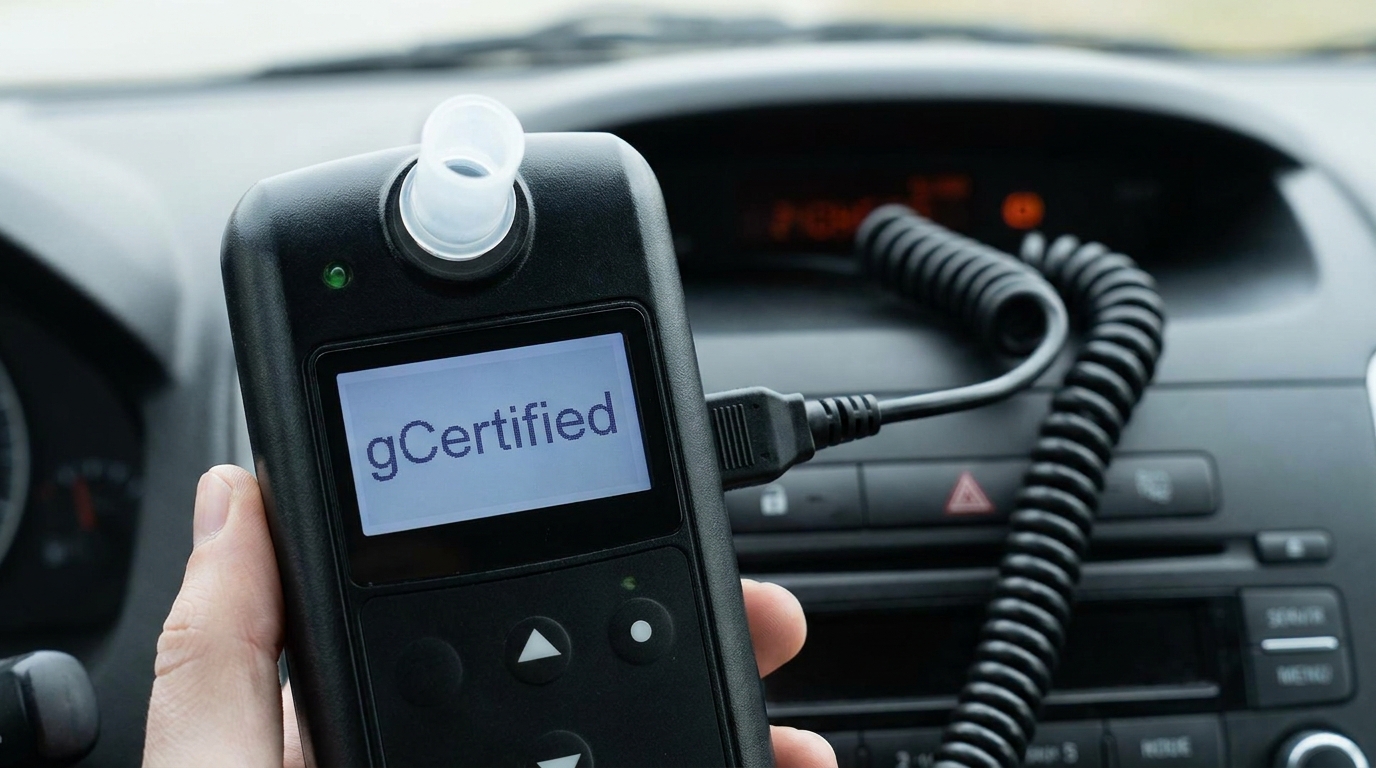
An ignition interlock device connects to a vehicle’s ignition system and requires breath samples before and during vehicle operation. Under ARS 28-1461, a person subject to an ignition interlock restriction must pay installation and maintenance costs, provide proof that a functioning certified device has been installed in each vehicle operated, and maintain required compliance and calibration records.
The device must come from an MVD-authorized provider. Providers electronically report information to MVD, including possible tampering, missed compliance requirements, qualifying alcohol readings, and certain failed rolling retests, which can affect your proof of completion. That electronic reporting means a driver should take every warning, service requirement, and calibration appointment seriously.
A common mistake is assuming the restriction applies only to the driver’s personal car. ARS 28-1402 limits SIIRDL driving to vehicles equipped with a functioning certified interlock. ARS 28-1464 also restricts borrowing, renting, or operating vehicles without the required device, subject to limited statutory exceptions. A rental vehicle, a family member’s car, or a second personal vehicle generally cannot be driven simply because the driver has a valid SIIRDL.
Drivers must also avoid having another person provide a breath sample to start the vehicle, especially during the suspension period. ARS 28-1464 prohibits requesting or permitting another person to breathe into the device for the purpose of providing the restricted driver with an operable vehicle. Tampering with or bypassing the device is also prohibited. These are not minor administrative mistakes. They can lead to new criminal charges and longer interlock requirements.
How DUI Suspensions, Refusals, and Convictions Affect Eligibility
An Arizona DUI arrest can create a criminal court case and a separate MVD license case. ARS 28-1385 governs many Admin Per Se suspensions where chemical testing shows an alcohol concentration of at least 0.08, or another qualifying result. The statute generally provides for a license action beginning after notice, along with a right to request an administrative hearing or summary review within the stated deadline.
For qualifying drivers under ARS 28-1385(I), Arizona uses a structure involving at least 30 consecutive days of suspension followed by at least 60 additional days of restricted driving. Subsection J creates a SIIRDL route in place of that structure for eligible drivers who satisfy the required conditions. This distinction can be extremely important to someone who cannot afford a month without transportation to work.
Refusal cases are different, particularly when it comes to the implications for a suspension period. Under ARS 28-1321, an initial chemical test refusal generally results in a 12-month suspension. A second or later refusal within 84 months generally results in a two-year suspension. After required screening, a person suspended for an initial refusal may apply for a SIIRDL, but the statutory SIIRDL provision does not extend to a second or later refusal within that 84-month period.
Repeat DUI convictions create additional rules. ARS 28-1381 provides that a person convicted of a qualifying repeat standard DUI may become eligible for a SIIRDL after completing 45 days of the revocation period. ARS 28-1382 contains the same 45-day period for qualifying repeat Extreme or Super Extreme DUI convictions. A qualifying aggravated DUI involving a child passenger has a separate route under ARS 28-1383(L).
Penalties for Violating SIIRDL and Ignition Interlock Requirements
Once a restricted driver license has been issued, following its conditions is just as important as obtaining it. ARS 28-1461 authorizes a six-month extension of an ignition interlock restricted or limited license in several circumstances, including tampering or circumvention, qualifying alcohol readings, failure to maintain required compliance or inspections, and certain failures involving rolling retests.
ARS 28-1464 creates additional consequences. Driving a vehicle without the required functioning certified ignition interlock, tampering with the device, or asking another person to provide a breath sample can constitute a Class 1 misdemeanor. For several violations, MVD may extend the required ignition interlock period for up to one year.
Driving after the SIIRDL has expired can create another problem, potentially leading to a violation date issue. The March 2026 MVD pamphlet states that a SIIRDL expires on the same date as the suspension or revocation to which it is attached, and the driver may not continue driving until all remaining state requirements have been completed. Separately, ARS 28-3473 makes driving on a suspended, revoked, canceled, or refused privilege a Class 1 misdemeanor.
Attorney Arja Shah can review both the DUI case and the MVD record to identify restrictions that may not be obvious from the criminal court paperwork. A mistake involving an interlock device can affect driving privileges long after the original arrest, so addressing warning notices or alleged violations quickly can matter.
DUI Defense Strategies That May Protect Your License and Criminal Case
Getting a SIIRDL addresses the practical need to drive, but it does not resolve the DUI charge. Review the criminal case and MVD action together. Attorney Arja Shah can examine police reports, chemical testing records, body camera evidence, MVD notices, and laboratory documentation to determine whether the state’s evidence can be challenged.
Challenge the Basis for the Traffic Stop or Arrest
Police generally need a lawful reason for a traffic stop, and an arrest must satisfy constitutional and statutory requirements. If a stop or detention violated constitutional protections, a defense attorney may seek suppression of evidence obtained as a result. The effect depends on the facts and whether the challenged evidence is relevant to the criminal case, the MVD case, or both.
Challenge the Validity or Reliability of Chemical Testing
ARS 28-1385 expressly makes the validity and reliability of the testing method, along with accurate evaluation of the results, issues that may be considered at an administrative hearing. Breath-testing records, blood collection procedures, laboratory handling, instrument maintenance, and analysis methods may all warrant review.
Dispute Whether a Chemical Test Was Actually Refused
A refusal suspension requires more than the officer simply writing “refused” in a report. Under ARS 28-1321, an MVD hearing may address whether the officer had reasonable grounds, whether the person was arrested, whether the person actually refused, and whether the person was informed of the consequences of refusal. A dispute over instructions, communication, physical inability to complete a test, or the sequence of events can matter.
Challenge Actual Physical Control
Arizona DUI law applies to driving or being in “actual physical control” of a vehicle. A person found sitting in a parked car is not automatically guilty simply because they were near the controls. The vehicle’s location, whether it was running, where the keys were located, the person’s position, and other surrounding circumstances may affect the defense.
Review Blood Sample Collection and Laboratory Evidence
Blood evidence can appear scientific and final, but the process has several stages. A defense attorney can examine how the blood was drawn, stored, transported, documented, and tested. Questions about contamination, labeling, preservation, analytical procedures, or the timing of the sample may affect the evidence’s weight or admissibility.
Address Statements Obtained During Custodial Questioning
Miranda issues are often misunderstood in DUI cases. Police are not required to read Miranda warnings before every question at a traffic stop. However, if a person is subjected to custodial interrogation without the required warnings, certain statements may be subject to suppression. A Miranda issue does not automatically dismiss a DUI charge, but it can affect evidence the prosecution is allowed to use.
Preserve the Right to an MVD Hearing Before Accepting a SIIRDL
One of the most important license strategies may involve timing. ARS 28-1385 and ARS 28-1321 give affected drivers administrative hearing rights, generally subject to a 30-day request deadline following the applicable notice. Both statutes also state that issuing a SIIRDL under the applicable provisions can waive the right to contest the administrative action. ADOT likewise warns that obtaining a SIIRDL waives hearing rights.
That creates a real decision about whether to apply for a restricted license. A driver may urgently need transportation for work, but accepting restricted privileges without reviewing the suspension could mean giving up a potentially valuable hearing. Shah Law Firm can review that choice before the deadline passes and determine whether challenging the suspension, seeking restricted privileges, or pursuing another strategy makes sense based on the facts.
Arizona Examples of Restricted Driving After a DUI Arrest
Consider a Phoenix resident arrested after a traffic stop where a chemical test produces an alcohol concentration that leads to an Admin Per Se action under ARS 28-1385. The person has no disqualifying DUI history within the statutory period, nobody was injured, and the required alcohol screening is completed. If MVD confirms eligibility, that driver may be able to obtain a SIIRDL rather than simply waiting through the usual suspension and restricted driving structure. The driver could then commute to work and make other trips in Arizona using a properly equipped vehicle.
Now consider a Chandler resident whose job requires visiting construction sites in Mesa, Tempe, Scottsdale, and Phoenix. A traditional restricted permit tied mainly to employment-related destinations could be difficult to manage. If this person’s MVD action qualifies for a SIIRDL, ADOT’s current guidance says the person may drive anywhere in Arizona in a vehicle equipped with a certified interlock. The driver still must comply with every interlock and license condition, but the geographic restriction is much less severe.
A different result could apply to a Scottsdale driver accused of a second chemical test refusal within 84 months. ARS 28-1321 provides a two-year suspension for a second or later refusal in that period and specifically excludes those repeat refusal cases from the SIIRDL provision in subsection P. That person should not assume an interlock installation will automatically restore driving privileges.
These examples show why checking the precise MVD action matters. Two people arrested for DUI on the same night can face very different driver’s license consequences because of prior history, test results, refusal issues, injury allegations, the type of DUI charge, and other active actions on the driving record.
FAQs About SIIRDLs and Driving to Work After an Arizona DUI
1. How soon can I drive to work after an Arizona DUI arrest?
The answer depends on the type of license action. A DUI suspension notice may include a temporary driving period before the suspension becomes effective. ARS 28-1385 and ARS 28-1321 generally provide for notice before the administrative suspension begins, and qualifying drivers may have a SIIRDL route available. A traditional DUI restricted permit generally requires serving at least 30 days of suspension according to current ADOT guidance.
2. Does a SIIRDL only allow me to drive to work?
No. ADOT currently states that a SIIRDL lets a qualifying driver drive anywhere in Arizona as long as the vehicle has a certified ignition interlock device installed. This is one of the biggest differences between a SIIRDL and a traditional restricted permit.
3. Do I need SR 22 insurance before getting a SIIRDL?
Sometimes. The requirement depends on the basis for the suspension or revocation. ADOT’s March 2026 SIIRDL pamphlet specifically states that an SR 22 is not required when the SIIRDL is related to an Admin Per Se suspension. Other DUI-related actions can require proof of future financial responsibility. Verify the requirement shown on your MVD record, particularly any suspension period details.
4. Does time with a SIIRDL count toward my ignition interlock requirement?
It can. ARS 28-3319 states that when a SIIRDL is issued for specified qualifying violations, a driver can receive credit for the period during which the certified interlock is installed after MVD authorizes the installation. ADOT also states that qualifying SIIRDL time may be credited toward the overall interlock requirement, which is mandatory alcohol compliance. Verify the exact credit on the driver’s MVD record.
5. Can I request an MVD hearing and then get a SIIRDL?
Timing matters. A timely hearing request can keep an administrative suspension in effect while the hearing is pending. However, Arizona statutes provide that issuing a SIIRDL under the applicable administrative provisions waives the right to challenge that administrative action. Because the choice can affect an important legal right, speaking with a DUI attorney before having the SIIRDL issued can be valuable.
6. Can I get a SIIRDL after refusing a breath or blood test?
An initial chemical test refusal may qualify after the driver completes required alcohol or drug screening and satisfies the other statutory and MVD requirements. ARS 28-1321(P) does not extend that SIIRDL eligibility to a second or later refusal within 84 months.
7. Can I use a SIIRDL to keep working as a commercial driver?
A SIIRDL does not preserve commercial driving privileges. ADOT states that a commercial driver’s license holder who qualifies must apply in person for a Class D SIIRDL, which downgrades the CDL to a standard Class D license. Someone whose employment depends on commercial driving should discuss the employment and licensing consequences immediately.
Important Things to Remember
- A SIIRDL and a traditional DUI Restricted Permit are not the same.
- ADOT states that a SIIRDL can allow driving anywhere in Arizona in a properly equipped vehicle.
- Traditional DUI restricted permits generally impose destination-based limits and are commonly associated with work, school, and treatment.
- Eligibility depends on the specific suspension, revocation, refusal, DUI history, and other actions on the driving record.
- An authorized provider must install an ignition interlock and properly report it to MVD.
- Current ADOT materials use different installation timing language, so drivers should verify the deadline shown by MVD before scheduling installation.
- SR 22 requirements depend on the type of license action, and ADOT’s March 2026 pamphlet identifies an exception for a SIIRDL connected to an Admin Per Se suspension.
- Accepting a SIIRDL can waive the right to an administrative hearing.
- Driving a vehicle without the required interlock can result in criminal and MVD consequences.
- A SIIRDL expires with the suspension or revocation to which it is connected. Reinstatement requirements may remain after expiration.
- The MVD license case and the criminal DUI case are separate matters, and both deserve prompt attention.
How Shah Law Firm Can Help

A DUI arrest can affect far more than the criminal charge. For many clients, the immediate concern is whether they can get to work tomorrow, keep their job, care for their children, or meet other daily responsibilities. Attorney Arja Shah can review the DUI citation, MVD suspension paperwork, chemical testing documents, refusal allegations, and driving record to determine what restricted license choices may be available.
Shah Law Firm can also help clients decide whether requesting an MVD hearing makes sense before a SIIRDL is issued. That decision is especially important because Arizona law allows a timely hearing request to delay an administrative suspension while the matter is pending, while accepting a SIIRDL through the applicable provisions can waive the right to contest that MVD action.
Arja Shah has spent almost 20 years handling Arizona criminal defense and DUI cases and has achieved more than 3,000 successful case results. The firm’s current website reports more than 3,500 case victories over more than 18 years of practice. That experience includes handling DUI cases involving license suspensions, ignition interlock requirements, criminal court proceedings, plea negotiations, and trial preparation.
Arja’s experience also gives her substantial familiarity with Arizona prosecutors, law enforcement practices, MVD procedures, and courts throughout Phoenix, Scottsdale, Tempe, Mesa, Chandler, Glendale, and surrounding communities. She can address both the immediate driver’s license problem and the larger defense strategy rather than treating them as unrelated matters.
Shah Law Firm offers free one-on-one lawyer consultations for people facing Arizona DUI and criminal charges. If you were arrested for DUI and need help determining whether you can legally drive to work through a Special Ignition Interlock Restricted Driver License or another restricted permit, call (602) 560-7408 to request a free consultation with attorney Arja Shah.

