





When Can Arizona Police Use Hospital Blood in a DUI Case?
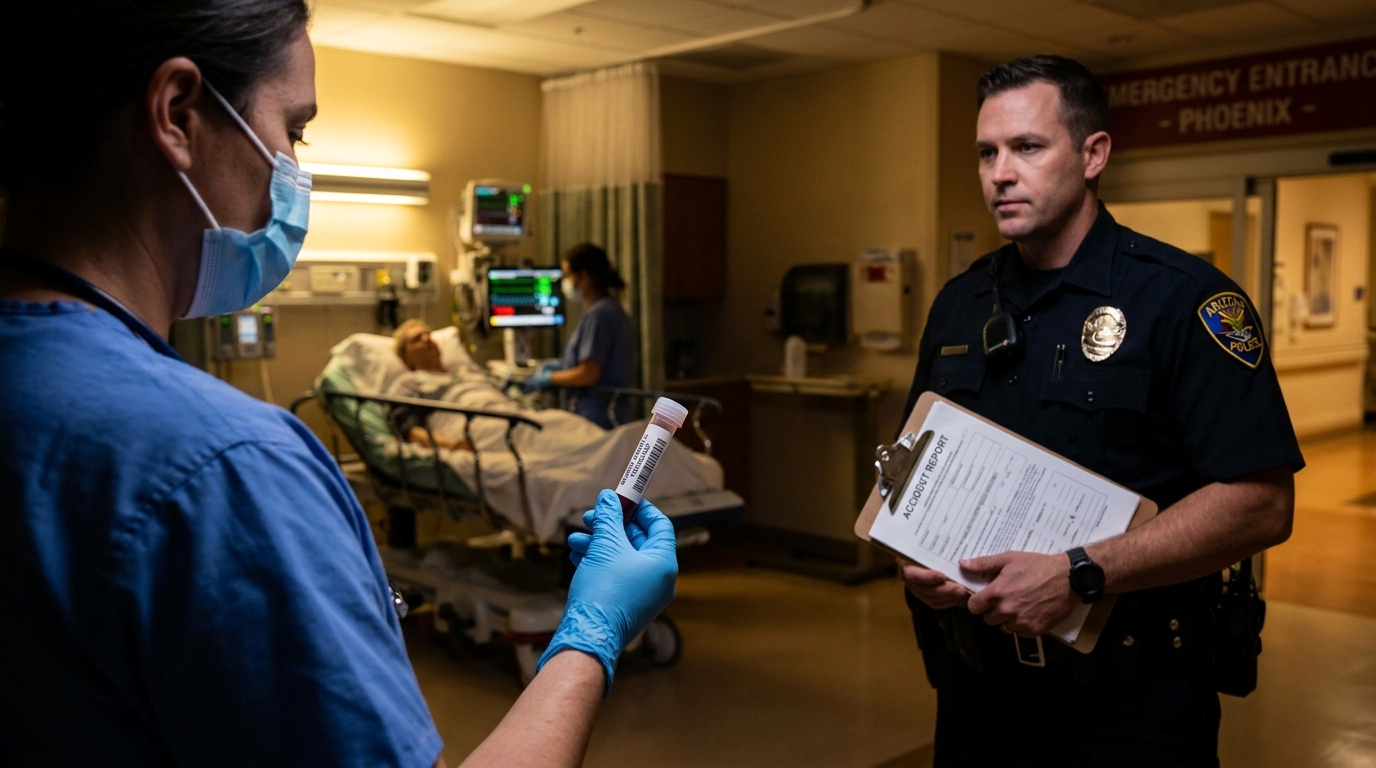
A hospital blood test DUI investigation can become complex when medical care and police work overlap. Arizona police may seek a sample taken after a crash, even when hospital staff ordered the test for treatment. Whether that evidence may be used depends on why the sample was taken and how officers obtained it. As of 2026, attorney Arja Shah has defended more than 3,500 clients facing serious criminal charges.
Hospital blood is not automatically available to police, but you do have the right to request an independent blood test done at a hospital. Constitutional protections, Arizona law, consent, probable cause, and the facts of the medical treatment may affect access.
The medical blood draw exception can apply in some cases, but it has limits. Outcomes depend on the specific facts of each case.
Shah Law Firm, PLLC provides individualized guidance because an accusation can affect a person’s freedom, license, work, and family. Our team explains the process, reviews the evidence, and helps each client make informed choices. We understand that knowing DUI law is only part of effective representation. Clear communication and practical support also matter during a difficult time.
Quick Answers
Arizona police may use a hospital sample in a DUI case when they obtain it through a lawful process. The court may examine probable cause, medical purpose, patient consent, constitutional limits, and how officers acquired the sample.
- A medical test and a police ordered test serve different purposes.
- A warrant, valid consent, or a recognized legal exception may permit access.
- Implied consent does not automatically approve every warrantless procedure.
- Collection, storage, testing, and chain of custody may be challenged.
- Medical records and body camera footage can help explain what occurred.
Table of Contents
- Can Hospital Blood Be Used in an Arizona DUI Case?
- What Is the Medical Blood Draw Exception in Arizona?
- Can Police Draw Blood Without a Warrant or Consent?
- How Can Hospital Blood Evidence Be Challenged?
- Frequently Asked Questions About Hospital Blood Test DUI Cases
- How Shah Law Firm, PLLC Can Help with a Hospital Blood Test DUI in Arizona
Can Hospital Blood Be Used in an Arizona DUI Case?
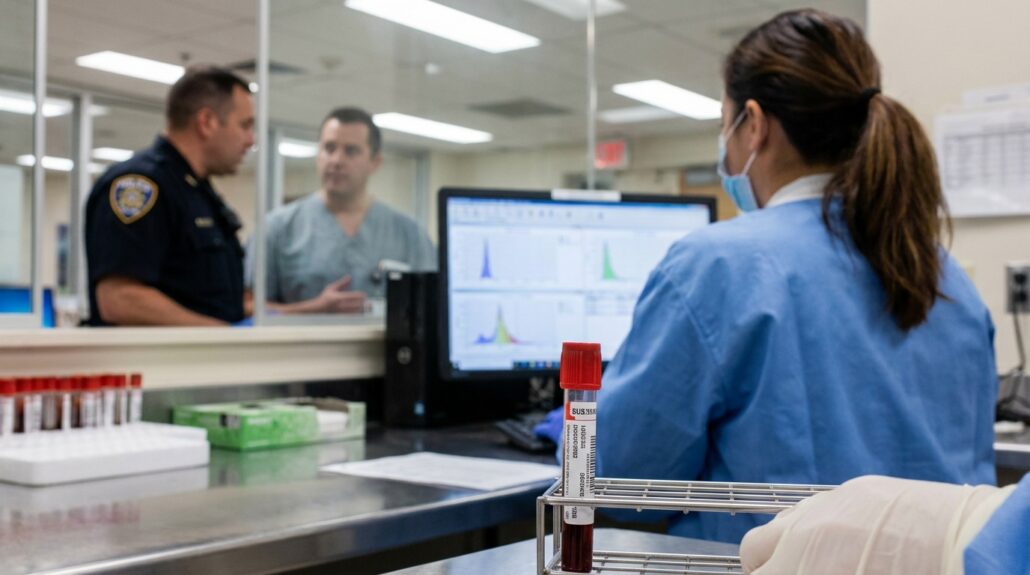
Yes, hospital blood may be used in an Arizona DUI case if police obtained it lawfully and the evidence meets court requirements. A hospital test is a laboratory test ordered for diagnosis or medical treatment. A police test is collected or analyzed for law enforcement purposes.
After a serious collision, a driver may be transported to a hospital before a DUI arrest. Hospital officials draw a person’s blood when clinicians need information for care. A law enforcement officer may later request part of a sample or seek hospital records DUI Arizona investigators believe are relevant.
A.R.S. § 28-1388 addresses blood and breath tests, qualified persons, and admissible evidence. Subsection E concerns a sample taken for another reason when an officer has probable cause to believe a person violated Arizona’s DUI law. Probable cause means facts supporting a reasonable belief that an offense occurred.
The statute does not remove constitutional safeguards. A blood draw is a search because it enters the body and obtains private evidence. Courts typically examine the totality of the circumstances, meaning all relevant facts together.
The prosecutor may use blood test results to argue that a defendant drove while impaired. Testing may report blood alcohol concentration, drugs, or medication. Blood alcohol content is the measured amount of alcohol in the sample, while impairment can depend on more than one number.
Arja Shah has been selected to the SuperLawyers.com list since 2015. That courtroom focused recognition is relevant when blood evidence may become the subject of a suppression motion or trial challenge.
| Type of evidence | Original purpose | Key defense questions |
|---|---|---|
| Hospital laboratory sample | Diagnosis or treatment | Was it taken for medical purposes, and how did police obtain it? |
| Police ordered sample | DUI investigation | Was there a warrant, valid consent, or another lawful basis? |
| Hospital records | Document care and laboratory findings | Was the legal process valid, and are the records reliable? |
| Retested sample | Independent or government analysis | Was the sample preserved, sealed, and tested correctly? |
What Is the Medical Blood Draw Exception in Arizona?

The medical blood draw exception is a limited way police may obtain a sample initially taken for medical purposes.
It can act as an exception to the warrant requirement when the legal and constitutional conditions are met. It does not make every sample drawn by hospital staff available to police.
The blood draw exception in Arizona often receives attention after an injured DUI suspect receives emergency care. Arizona law allows an officer with probable cause to request a portion of blood drawn for another reason. Yet the state may still need to show that obtaining and testing the sample complied with constitutional rules.
State v. Nissley, 241 Ariz. 327, 387 P.3d 1256 (2017), is important precedent on this issue. The Arizona Supreme Court held that the state must address whether medical services were lawfully provided, along with probable cause and exigent circumstances.
In plain language, the government cannot rely only on the fact that blood was drawn by medical staff.
The court held that the state must prove the requirements supporting the exception. The patient’s ability to direct medical treatment may matter. So may evidence that the patient consented, could not communicate, or attempted to refuse care.
The distinction is practical. If hospital staff take a blood sample for patient care, the original purpose is medical. If police direct withdrawing the blood solely to build a DUI prosecution, the procedure looks more like a law enforcement search.
Our firm approaches these cases by rebuilding the timeline from the crash scene through the laboratory. We work to identify who requested each test or tests, why the request was made, and what the patient communicated. This individualized review reflects the firm’s philosophy that effective criminal defense requires both legal knowledge and close attention to the person involved.
The firm’s USAttorneys.com profile identifies Arja Shah’s criminal law practice and Phoenix service area. That practice focus includes DUI and criminal defense matters involving medical and scientific evidence.
Can Police Draw Blood Without a Warrant or Consent?
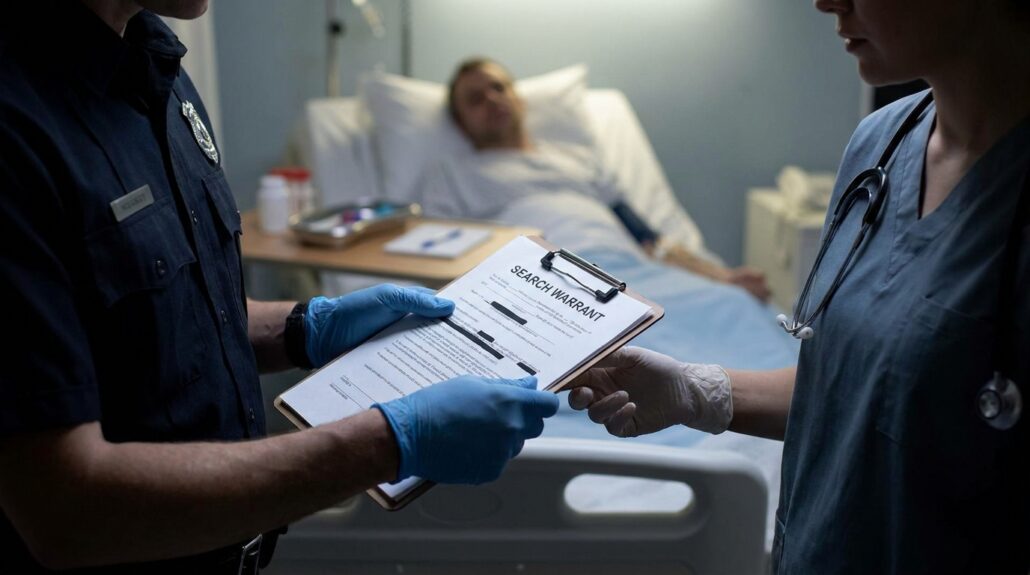
Police may obtain blood without express consent in limited situations, but a warrant is commonly required unless a valid exception applies. The Fourth Amendment protects a person’s body from unreasonable searches. Whether a blood sample without consent is lawful depends on the specific facts.
Police generally have several possible paths:
- Obtain a search warrant supported by probable cause.
- Request knowing and voluntary consent.
- Use the medical blood draw exception when its requirements apply.
- Rely on exigent circumstances when waiting could cause evidence loss and the full situation supports immediate action.
Missouri v. McNeely, 569 U.S. 141 (2013), rejected a blanket rule that alcohol dissipation creates an automatic emergency in every case. The United States Supreme Court decision in McNeely requires a case specific review. This due process and search analysis may affect whether blood evidence is admissible.
Arizona’s implied consent statute is A.R.S. § 28-1321. Implied consent concerns chemical testing after an arrest based on grounds to believe a driver committed a DUI offense. Refusal may carry driver’s license consequences, but implied consent does not itself approve every warrantless blood procedure.
An officer might seek a warrant after refusal. A judge then decides whether the affidavit establishes probable cause. If authorized, a qualified professional may draw blood even without voluntary agreement, subject to the warrant’s terms and current Arizona law.
A breath test differs because it does not pierce the skin. Venipuncture, the process used to take a blood sample from a vein, is more physically intrusive. Police decisions to obtain blood may therefore raise different constitutional issues.
Attorney Arja Shah has received an Avvo Clients’ Choice Award and a 10.0 rating for criminal defense. Her Avvo.com profile provides further background for people comparing an experienced DUI defense attorney.
How Can Hospital Blood Evidence Be Challenged?
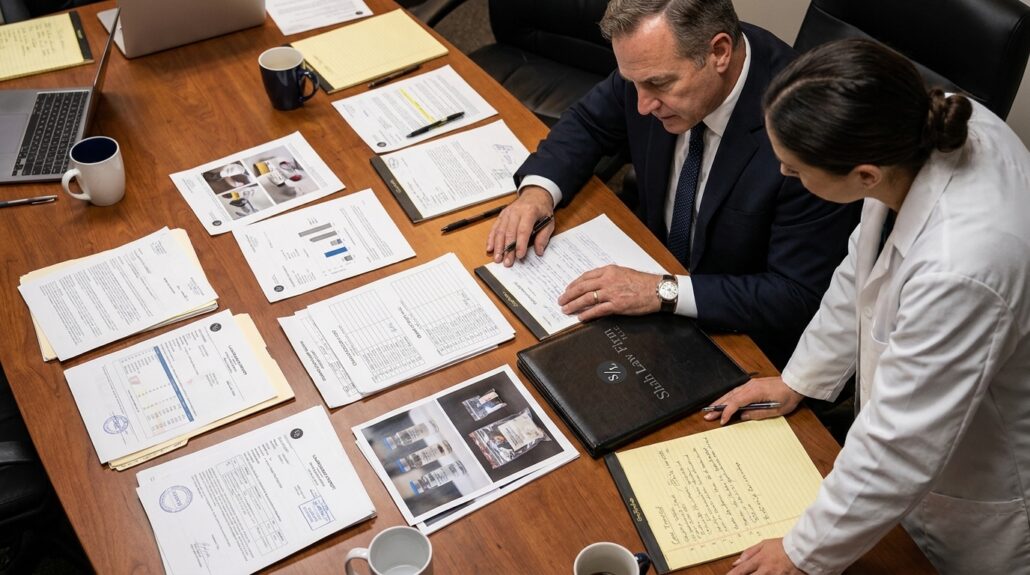
Hospital blood evidence can be challenged through the legal basis for access, the collection process, laboratory reliability, or the link to driving. A motion to suppress asks the judge to exclude evidence obtained through an unlawful search. Other challenges may affect the weight a judge or jury gives the result.
A DUI attorney may review:
- The search warrant, affidavit, consent forms, and officer reports.
- Emergency medical records and notes about consent or refusal.
- Body camera footage showing medical treatment and police requests.
- The chain of custody, which tracks who handled the sample.
- Storage temperature, preservatives, seals, equipment, and laboratory data.
- The blood and the method used to calculate blood alcohol levels.
A sample of a DUI suspect’s hospital specimen may pass through several hands. Gaps can raise questions about whether the tested tube was the DUI suspect’s blood. Contamination, fermentation, labeling mistakes, or equipment problems could potentially affect the reported concentration.
Timing also matters. Blood alcohol concentration may rise for a period after a person stops drinking. A later reading might not match the blood alcohol level at the time of driving. An expert may examine absorption, elimination, food intake, medication, and the time between driving and the draw.
Arizona’s DUI law appears in A.R.S. § 28-1381. The code section includes different theories of a DUI charge. Because the prosecution’s burden of proof depends on the charged theory, counsel should compare the test result with driving evidence, field sobriety testing, statements, and witness accounts.
When police obtained the blood through an invalid process, defense counsel may seek to suppress blood evidence. If the problem concerns reliability rather than an unlawful search, counsel may use discovery, expert review, cross examination, or a pretrial motion to limit the evidence.
A successful challenge does not necessarily end the criminal charges because other evidence may remain.
People charged with DUI may also ask to arrange for an additional test. Independent testing can identify differences in concentration or problems with preservation. The available process depends on whether enough sample remains and how it was stored.
Records to Preserve
Evidence may be easier to evaluate when records are requested and preserved early. Useful materials commonly include:
- Hospital laboratory and treatment records
- Police reports and body camera video
- Warrants, affidavits, and return documents
- Sample logs and chain of custody records
- Laboratory testing data and quality control records
In our experience, a useful Arizona DUI defense starts with the source of the sample, not only the final number. We have helped clients understand whether the sample was drawn by hospital staff, requested by police, or later transferred for testing. Our attorneys also consider the difference between felony or misdemeanor charges and any separate license process.
Frequently Asked Questions About Hospital Blood Test DUI Cases
1. How long does it take to get DUI blood test results in Arizona?
There is no single result time for every Arizona case. Timing may depend on the laboratory, substances tested, workload, and whether the sample requires added analysis. Hospital results prepared for care may exist sooner than a later forensic test.
2. Can you refuse a blood test for DUI in Arizona?
A person may refuse a requested test, but refusal can have legal and driver’s license consequences under the Arizona implied consent statute. Police might then request a search warrant. It is important to distinguish a police request from care recommended by a medical doctor.
3. Do hospitals have to report DUI blood test results to police?
Hospitals do not simply turn every patient result into a DUI report. Police access generally depends on a lawful request, court process, statute, or another recognized basis. Whether the law allows disclosure may be subject to interpretation based on the circumstances.
4. What shows up on a DUI blood test?
A forensic test may look for ethanol, drugs, or certain medication. The scope depends on what the laboratory was asked to test the blood for. A hospital panel ordered for medical care may differ from a forensic panel used in a DUI case.
5. Can a DUI blood sample be independently tested?
Independent testing may be possible when a usable portion remains available. Counsel can ask about preservation, access, and testing procedures. An additional analysis may confirm the result or identify a meaningful issue.
6. Can hospital blood be used after a first DUI offense in Arizona?
Yes, the legal rules governing the sample can apply even when a person has no prior DUI record. The prosecution must still establish the charged offense in Arizona with admissible evidence. Potential penalties, jail time, and fines depend on the charge, test allegations, prior history, and other facts under current Arizona law.
This article is for informational purposes only and is not legal advice. Reading it does not create an attorney-client relationship; consult an attorney about your specific situation.
How Shah Law Firm, PLLC Can Help with a Hospital Blood Test DUI in Arizona
 If you are facing DUI charges after being transported to a hospital in Arizona, Shah Law Firm, PLLC can review how the sample was collected, obtained, stored, and tested. During a first conversation, our team will listen to what occurred and identify the records and legal issues that may require prompt review.
Arja Shah has defended more than 3,500 clients as of 2026. That experience with respect to DUI and criminal defense helps the firm evaluate scientific evidence alongside warrants, consent, medical care, and police conduct.
To contact an experienced DUI and criminal defense lawyer, call (602) 560-7408 or use the firm’s online contact form. The firm can assess a Phoenix DUI matter or another hospital blood test DUI case in Scottsdale, Mesa, Tempe, or a surrounding Arizona community.


